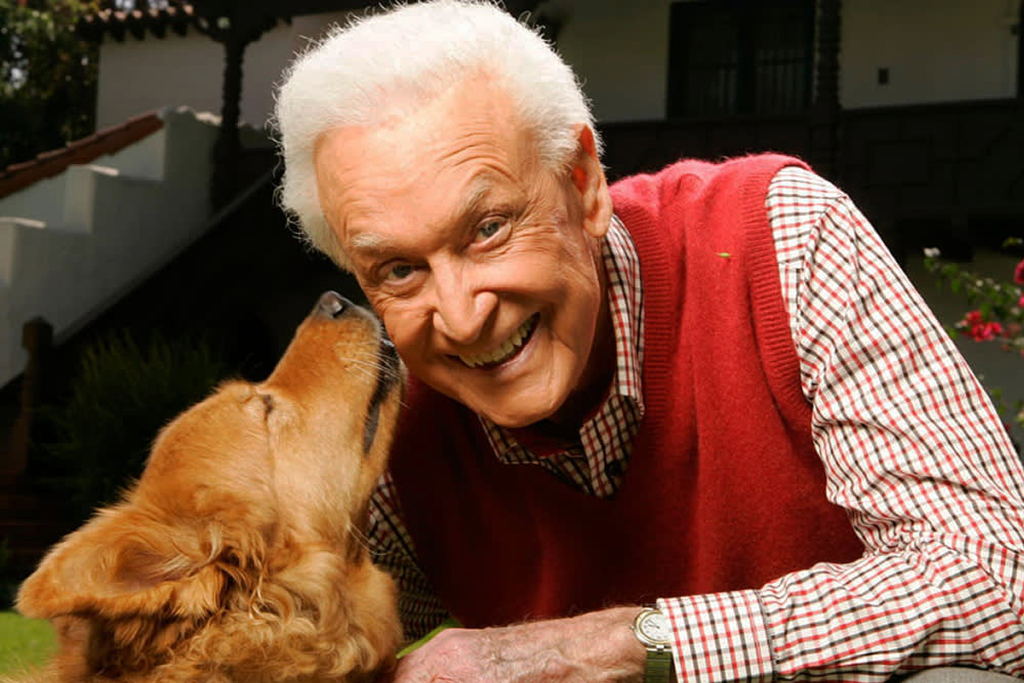

Loneliness and social isolation are significant issues for older adults, impacting their physical and mental health. Approximately one in three older adults experiences loneliness or social isolation, with potential links to various health problems. While some rates have decreased since the peak of the pandemic, baseline rates of loneliness remain a concern, particularly for certain vulnerable groups.
Whether it’s our parents, grandparents, or a close neighbor, nearly all of us have had the privilege of an elder’s wisdom and kindness in our lives, and while it bring us joy, it’s hard to miss the tinges of sadness that comes with a more and more solitary life over time. Unfortunately, there isn’t often much we can do to significantly alter their situation, but there are things that can dramatically improve their life and one option is introducing them to a pet.

We know pets offer a range of benefits for our physical and mental health, but recent studies show that pet ownership can help slow cognitive decline and prevent dementia in older adults.
In a study of nearly 8,000 older adults, researchers found that among those living alone, having a pet was associated with a slower rate of cognitive decline (specifically composite verbal cognition, verbal memory and verbal fluency). The study used data from the English Longitudinal Study of Ageing, an ongoing study, over an eight-year period.
The authors note that while many older adults may not be able to or want to change their situation of living alone, adding a pet to the household may manageable or acceptable change for some. The authors conclude that their findings “preliminarily suggest that pet ownership might completely offset the association of living alone with faster rates of decline in verbal memory and verbal fluency among older adults.”

Another recent study, published in 2023 in Preventive Medicine Reports, identified specific positive impacts of dog ownership: dog owners had a lower risk of dementia compared to non-dog owners. The study looked at data from more than 11,000 older adults over a 4-year period and adjusted for background factors. This study also examined the impact of potential factors contributing to lower risk of dementia including physical activity and social connection.
The authors suggest that dog owners are more likely to have a regular exercise habit as a result of walking the dog and having a dog may also help to create connections and reduce isolation and loneliness. Previous research has found that dog owners who walk their dogs are 2.5 times more likely to achieve moderate physical activity at least 150 minutes per week than non-dog walkers. Dog walking has also been associated with social interaction among older adults.
In the 2023 study they found that while dog owners overall saw dementia-reducing benefits, those who regularly walked their dogs and were not experiencing social isolation had a significantly lower risk of dementia. “Dog care might contribute to the maintenance of physical activity, including having an exercise habit, and social participation even in the face of restrictions to interactions such as those experienced during the COVID-19 pandemic,“ the authors conclude.

A third study looked at the impact of pet ownership on daily activity function among adults with Alzheimer’s disease. Researchers in Finland followed a group of more than 220 older adults with mild Alzheimer’s who were living in their homes in the community over a five-year period. Over the five years, pet owners had significantly better daily activity function and slower disease progression compared to non-pet owners. The authors conclude that the significant positive effects suggest that having a pet may support daily activity and slow the progression of Alzheimer’s.
As for why living with a companion animal appears to benefit cognition, the researchers suspect several factors may be at play. Health data showed that the pet owners in the study tended to have lower body fat percentages, better blood pressure and a lower incidence of diabetes than those without pets. This pointed to greater levels of physical activity, which has long been linked to improved cognitive health. The group with pets also reported lower levels of stress, anxiety, depression, and loneliness, each of which have been shown to adversely affect mental function.
As we know, our mental health is just as important as our physical health, especially as we age. For elderly people who may not have frequent visitors or family interactions, pets offer unconditional companionship. Whether it’s a dog wagging its tail to greet them or a cat curling up in their lap, the comfort of a pet helps seniors feel needed and loved. This emotional bond can ease anxiety, reduce stress, and provide a sense of connection and purpose.

Studies show that pet owners, particularly seniors, experience lower levels of depression, and they often have higher levels of overall life satisfaction. The consistent need for pet care also gives older adults a reason to stay active and engaged, further improving their mental and physical health.
Caring for a pet offers a therapeutic outlet for older adults. Pets can act as a distraction from the worries that often accompany aging, such as health concerns or the loss of loved ones. Additionally, pets provide a sense of security, as they are often in tune with their owner’s emotions and may offer comfort during times of distress.
The act of petting or talking to an animal can help calm an elderly person who may be struggling with cognitive decline or symptoms of depression. Pets have been shown to improve cognitive function in dementia patients, providing a soothing presence that calms agitation and enhances mood. Pet ownership also offers seniors an opportunity for joy and laughter, which are essential for maintaining mental health.

Seniors who have pets are often more likely to interact with others. Whether it’s meeting fellow dog owners at the park or talking to neighbors about their pets, animals naturally spark conversations. This helps reduce social isolation, a significant concern among elderly individuals. Studies suggest that pets can improve communication and provide opportunities for seniors to build meaningful relationships, even in environments like assisted living facilities.
In addition to fostering connections with people, pets can also provide companionship for those with cognitive impairments. For individuals with Alzheimer’s or dementia, the presence of a pet can help soothe agitation and encourage interaction. Pets offer an uncomplicated form of connection that can bring comfort, especially when verbal communication becomes challenging.
In the later stages of life, many elderly individuals face the painful reality of losing loved ones, including family members and friends. Pets offer a form of companionship that can help fill some of the emotional void created by these losses. The presence of a pet allows seniors to still feel loved and needed, providing comfort during difficult times. Even in the face of loss, pets help their owners find solace and continue moving forward, offering a steady presence during times of uncertainty.

The bond between pets and the elderly is special. It goes beyond just providing physical care for an animal — it provides a sense of companionship, purpose, and joy that can transform the life of an older adult. When pets are well cared for, they can enhance the emotional and physical health of elderly individuals in ways that are both immediate and long-lasting.
Pets are not only a bright spot in your life, but quite possibly just what the doctor ordered.