



Chipping Away at Lost Pets & Bringing Them Home

For several weeks it felt like spring would never arrive, but this month finally feels like summer is within reach and it’s a great reminder that May is National Chip Your Pet Month. As we plan vacations and long weekends away, many of us will include our pets as travel companions and adventure buddies. It’s so special to be able to spend this time with your best friend and have them with you to try new experiences and places, but it does create a layer of risk to take them into an area they’re unfamiliar with, in the event you are separated from them for any reason. Should your pet be startled, frightened, or hurt, and bolt from fear, they are likely to become disoriented and lost in a strange place and under duress. Microchipping provides a layer of safety and security in these unforeseen circumstances.

Microchipping is highly effective for pet reunification: 52.2% of microchipped dogs and 38.5% of microchipped cats return to their owners from shelters. In contrast, only 21.9% of dogs and 1.8% of cats without microchips make it home, meaning chipped cats are over 20 times more likely to be reunited.

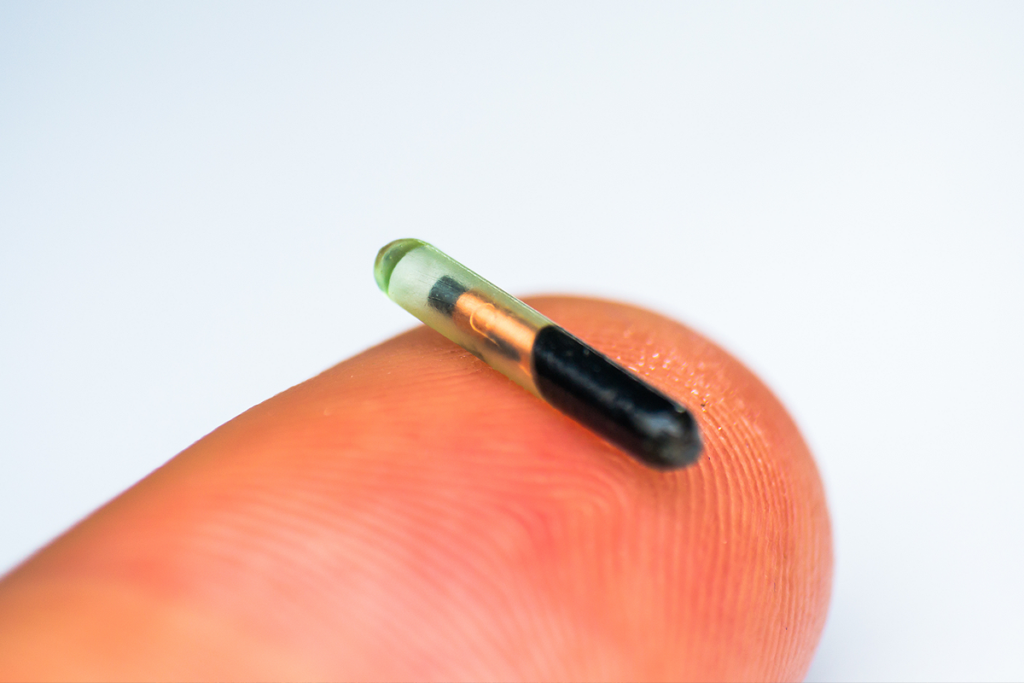
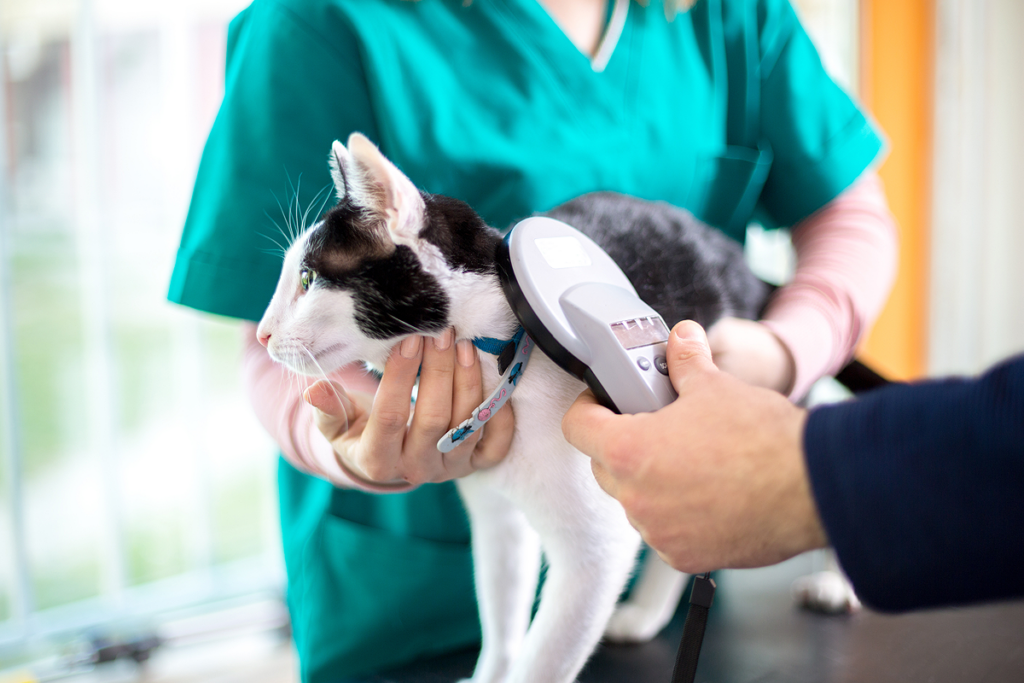
While it’s commonplace for nearly all animals rescued from a shelter or adoption center to have a microchip, it’s important to make sure your pet has a chip. Here’s some information and facts about microchips you may not know. Microchipping is a safe, one-time procedure. Unlike collars or tags, microchips cannot fall off or be removed. The “chipping” process means a tiny chip that is encased in a glass cylinder (about the size of a grain of rice) is placed under your pet’s skin, between their shoulder blades. The chip contains an identification number that, when scanned, will match up to an owner’s contact information in a national database.

The only information stored on a microchip is a 9-, 10- or 15-digit ID number, which is registered with a microchip registry service, where pet owner contact information is stored and maintained. Pet owners determine what, if any, contact information to provide to the registry. No medical or private information is saved on a microchip. ​

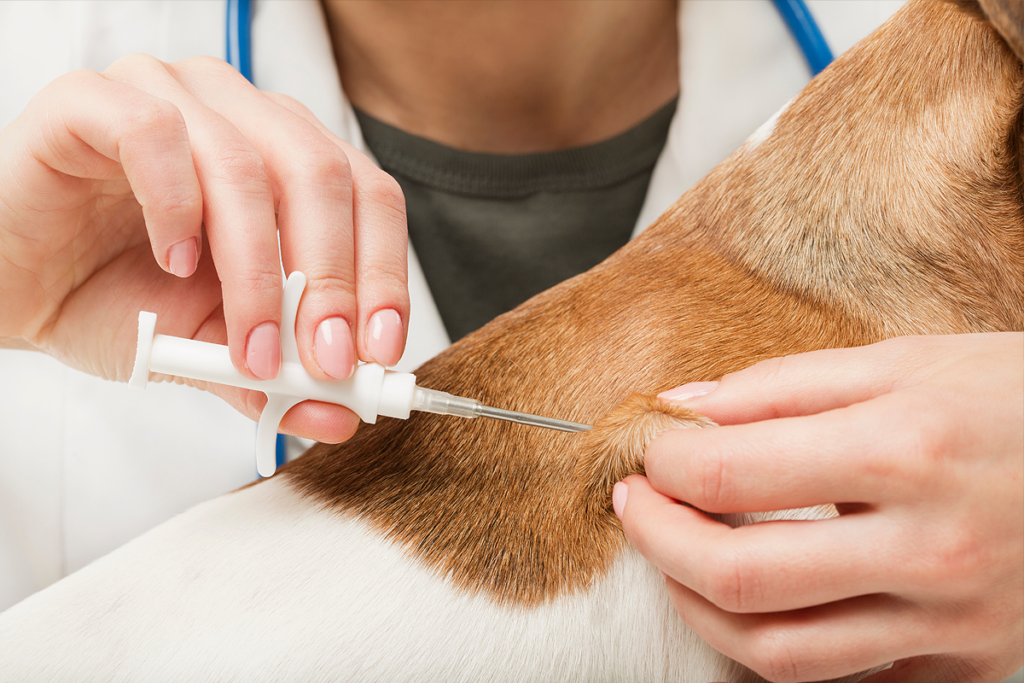
The chip is implanted using a hypodermic needle. No surgery or anesthesia is needed. The implantation of a microchip is no more painful than a routine vaccination. It’s a quick and simple procedure that can be done during a wellness exam. The microchips are made from biocompatible materials that don’t cause allergic reactions or interfere with your pet’s health. Complications are rare, and the benefits of microchipping greatly outweigh the risks. As with any medical procedure, infection can occur, but the risk is minimal. In addition, microchips rarely migrate from their original location.

Although I mentioned some statistics earlier, it bears repeating that while there is no guarantee a microchipped pet will be found, studies have shown that chipped dogs are twice as likely to be reunited with their owners than non-chipped dogs. The rate for cats is even higher. All vet offices, animal shelters, many police departments, and even private citizens are equipped with microchip scanners. However, it’s your responsibility to keep your contact information up to date in the microchip registry. Most microchip companies offer online services where you can update your information at any time. Some may charge a small fee for this service, while others offer it for free. Regularly updating your contact information ensures you can be reached if your pet is found.

If you adopt a pet who already has a microchip, update the contact information in the registry. The adoption agency, or previous owner, should provide you with the microchip number and details on how to update the registry. Ensuring the microchip information is current will help protect your new pet.

Microchipping costs may vary depending on your location and veterinary provider, but typically range between $25 and $50. This fee often includes the initial implantation and registration in a pet recovery database. Some animal shelters and veterinary hospitals may offer microchipping services at discounted rates during special events.

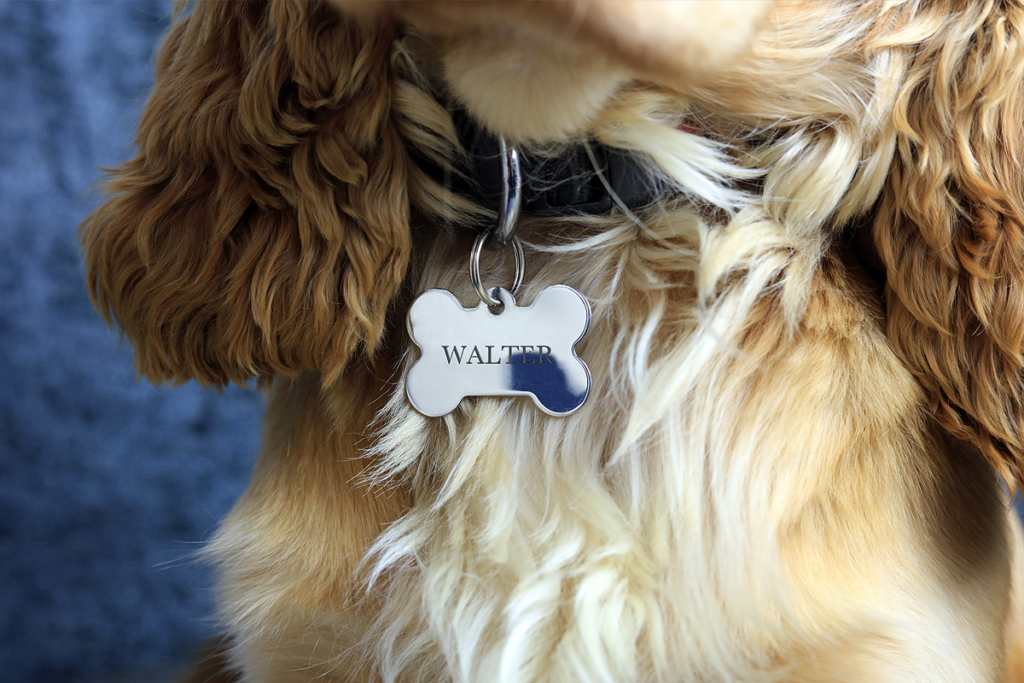
Microchips should not replace ID tags but rather complement them. An ID tag on your pet’s collar provides immediate contact information, allowing anyone who finds them to reach you quickly. A microchip is a permanent ID form that can’t be lost or removed, ensuring your pet can always be identified, even if their collar is missing.

If your pet is lost, immediately notify your microchip registration company, which can assist in alerting local shelters and veterinary hospitals. When your lost pet is found and scanned for a microchip, the microchip company will contact you using the information in their database. Ensuring your contact information is current increases the chances of a swift reunion with your pet.

A common misconception is that you can track your pet’s location through their microchip. However, the microchip does not contain GPS and cannot track your pet if it’s lost. The number on the chip does allow anyone with a scanner and access to the database to find the contact information you’ve provided and reunite you with your pet.

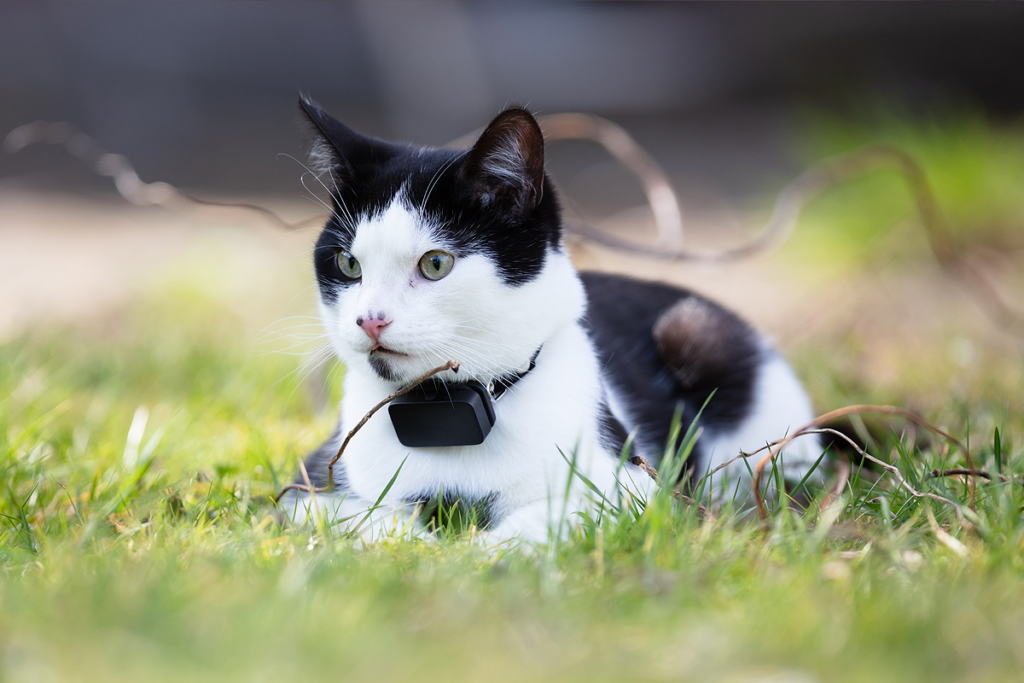
A pet GPS tracker is a small, lightweight device that attaches to your pet’s collar, or harness, to pinpoint their real-time location via satellite and cellular networks. It syncs with a smartphone app to provide location tracking, activity monitoring, and safety alerts if they wander off.

The tracker connects to GPS satellites to calculate its position and transmits this data to your mobile device using an embedded SIM card and cellular networks.

Tractive GPS is widely considered the best all-around tracker. It provides precise real-time tracking, has a worldwide range, and features built-in health monitoring (sleep, heart rate, and activity). It offers live tracking updates every 2 to 3 seconds, unlimited range in 175+ countries, and vital sign monitoring.

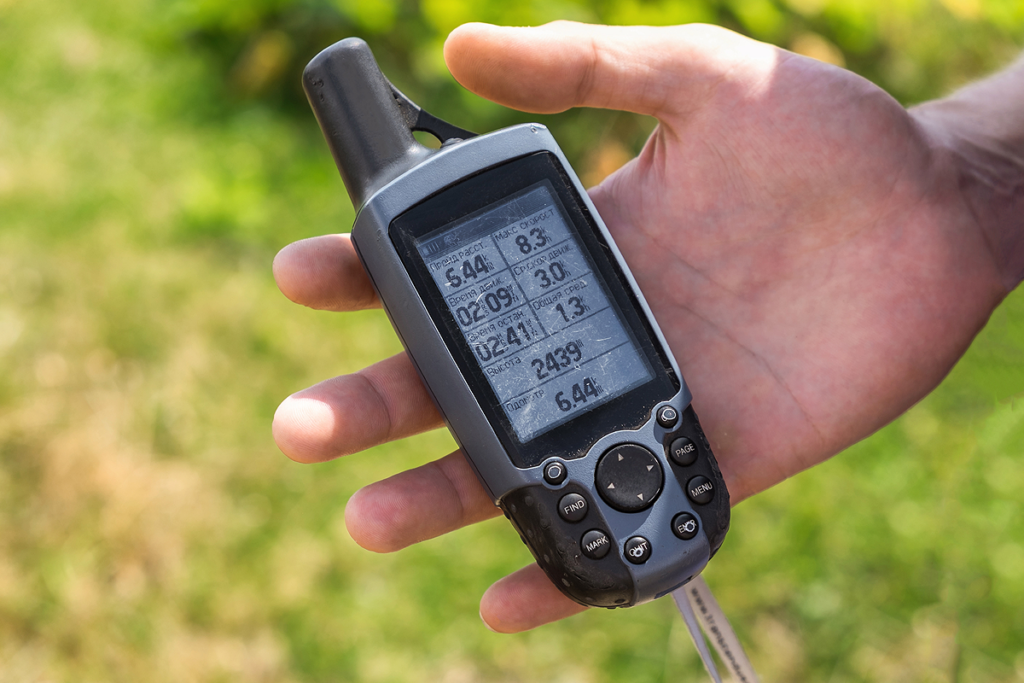
If you take your pets off-grid, the Garmin Alpha T20 operates on pure satellite/radio frequencies and requires no cellular service. They’re perfect for hiking and camping, but require a handheld receiver and are a bit costly. With that being said, there are a lot of other options at a variety of price points.

Vacations are something we work hard to plan, look forward to, and should be a time you’re able to relax, enjoy and make wonderful memories, so taking simple steps like these helps ensure a safe time for everyone, so you can focus on all the fun things.

Be safe and enjoy your summer!