
Part of opening your home, and your heart, to a pet is acknowledging that their life expectancy is much shorter than ours, and it’s likely will face the grief of losing them. For many of us, we recognize and accept that possible pain in return for the decade or more of unconditional love a pet gives us, and how much joy they bring to our lives. They come and go, but for our pets, we are their whole life. That kind of innocence and devotion make losing them even more heartbreaking.
Navigating the loss of a pet can be prepared for and expected, but difficult, nonetheless. When a person you love dies, it’s natural to feel deep sorrow, express grief and friends and family are there to provide comfort—although people often feel the same feelings of bereavement when they lose a beloved pet, it might go unacknowledged by others. Please know that your grief is normal, and it’s not only understandable, but important, to mourn the relationship you had with your pet.

GRIEF IS JUST LOVE WITH NOWHERE TO GO
The grief process is not linear. You may pass in and out of the various stages of grief, going back and forth, rather than experiencing each stage in order. It’s not uncommon to start to feel better, and then feel as if a new, even stronger, wave of grief has washed over you again. The process typically begins with denial, which offers protection until individuals can realize their loss.
Some caregivers may try bargaining with a higher power, themselves or even their pet to restore life. Some feel anger, which may be directed at anyone involved with the pet, including family, friends and veterinarians. Caregivers may also feel guilt about what they did or did not do, or they may feel ashamed to be so upset. You may become withdrawn or depressed. Acceptance occurs when they accept the reality of their loss and remember their animal companion with decreasing sadness. Remember, healthy grieving does not mean that you forget or “get over” your friend. It simply allows you to accept that they’re gone and eventually smile at their memory.

COPING WITH THE QUIET
Although grief is a personal experience, you do not need to face your loss alone. Here are a few suggestions to help you cope:
- Acknowledge your grief, and give yourself permission to express it. Allow yourself to cry. If you live alone, the silence in your home might feel deafening, but acknowledging it will allow you to prepare for the emotions you might feel. Suppressing your feelings of sadness can prolong your grief.
- Try not to replay your last moments with your pet. It can be common to ruminate on your pet’s final days or moments, especially if they were traumatic. Instead, focus on the life you shared with your pet and some of your favorite memories with them. Remember, your pet’s pain has passed. You are the one in pain now, and you must lovingly care for yourself.
- Reach out to others who can lend a sympathetic ear. Do a little research online, and you’ll find hundreds of resources and support groups that may be helpful to you. Some of these include:
- The Pet Compassion Careline, which provides 24/7 grief support with trained pet grief counselors.
- Lap of Love, which provides grief courses and 50-minute one-on-one support sessions with a grief counselor.
- Everlife Support Groups by state.
- Association for Pet Loss and Bereavement support groups, available at specific times throughout the week.
- If you are part of a congregation, ask if your place of worship offers bereavement support for pet loss.
- Memorialize your pet through a bereavement ritual. You might:
- Spread your pet’s ashes somewhere special, or reserve a place in your home for your pet’s ashes and photos of your pet.
- Plant a native tree or flowering shrub in memory of your pet.
- Create a memory box with your pet’s collar or favorite toys.
- Purchase a product that incorporates your pet’s ashes into a memorial necklace, bracelet, ring or suncatcher. (Search “pet cremation jewelry.”)
- Commission a painting, statue, memorial stone or plush animal representation of your pet. (Search “pet memorial” on Etsy.com for a wide range of options at all price points.)
- Practice your own culturally significant expression of mourning, like creating an ofrenda.
- Write about your feelings, or write a letter to your pet about all the things you’d like to say to them or how you’d have liked to spend your last day with them.
- Write an obituary for your pet.
- Share photos and memories of your pet via social media.

FIRST BEST FRIENDS, FINAL GOODBYES
How your child reacts to your pet’s death will depend on their age and developmental level. When children display emotions like sadness, it’s important to validate them. If your emotion isn’t obvious, this may confuse your child. It’s okay to let them see you cry. Keep in mind though that not all children—whatever their age—express their grief through sadness. Anger is also a common way to express grief. Understanding this is important so you can help them learn to work through it.
Remember, grief-related emotions can come and go, sometimes without warning. It may take longer than you thought for your child to get through this period. Be sure to let your pediatrician know if your child is having more serious symptoms such as sleep disturbances, anxiety or depression.
Be Prepared for Questions
Children may ask about death and what happens after we die. While the specifics of your answer will depend on your family’s beliefs, this is a sign that your child wants to talk about it. If they don’t bring up questions, especially when you’ve given them opportunities, it’s possible your child might not want to discuss it. Follow their lead.
Create a Memorial
This can really help your child with the process of saying goodbye after the loss of a pet. The memorial could involve scattering ashes, creating a memorial collage or planting a tree in the pet’s memory. Your child might find this uncomfortable, so try suggesting it gently and follow their wishes.

LONLIENESS AS WELL AS LOSS
Coping with the loss of a pet can be particularly hard for seniors. Those who live alone may feel a loss of purpose and immense emptiness. A pet’s death may also trigger painful memories of other losses and remind caregivers of their own mortality. What’s more, if they’d like another pet, the decision can be complicated by the possibility that the pet may outlive them, or that one day they may not have the physical ability to care for a new pet. For all these reasons, it’s critical that senior pet owners take immediate steps to cope with their loss and regain a sense of
FURRY FRIENDS LEFT BEHIND
Surviving pets may whimper, refuse to eat or drink, or simply “act depressed,” especially if they had a close bond with the deceased pet. Even if they were not the best of friends, pets thrive on consistency, and the loss of another animal in the home, as well as your emotional state, may distress them. Give surviving pets lots of TLC and try to maintain a normal routine. If symptoms continue, take your surviving pet to your veterinarian to rule out medical causes.
WHEN IT’S TIME TO LOVE AGAIN
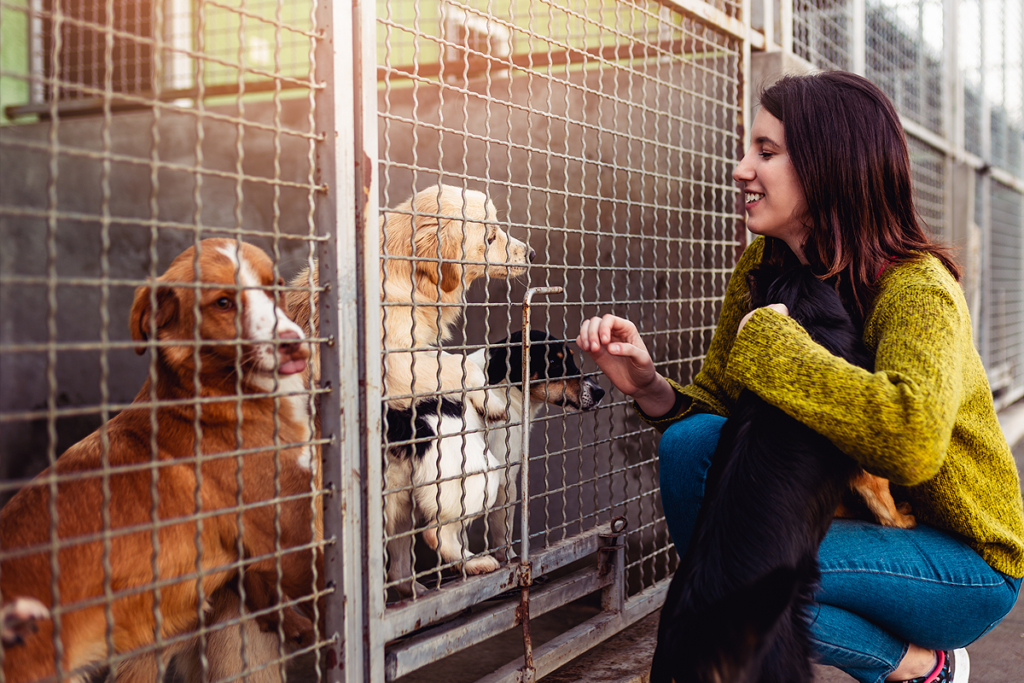
Rushing into this decision isn’t fair to you or your new pet. Each animal has their own unique personality, and a new animal cannot replace the one you lost. New pets will go through an adjustment period, which may be difficult to manage when you and other pets in the home are still adjusting to a loss yourselves. You’ll know when the time is right to adopt a new pet after giving yourself time to grieve. And when you’re ready, remember that your local animal shelter or rescue is a great place to find your next special friend.