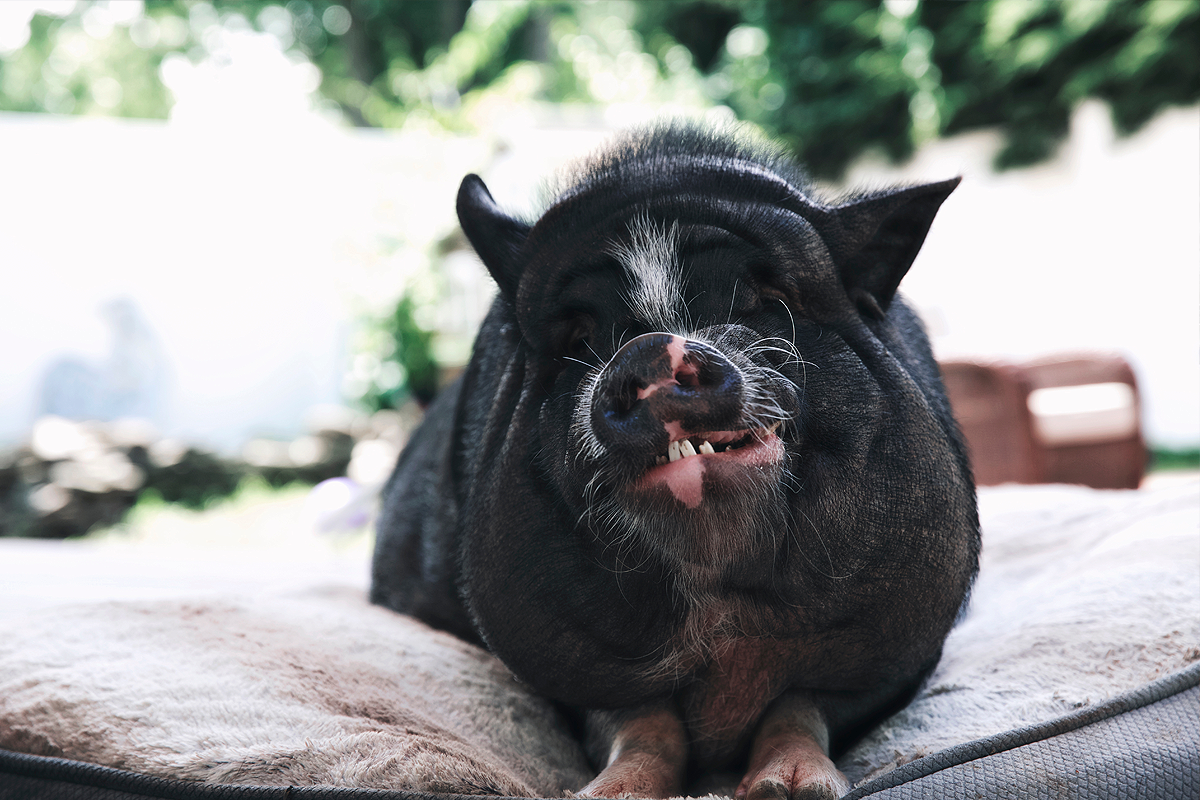
Potbellied pigs usually aren’t the first animal that comes to mind when someone mentions animal companions. They are often overshadowed by dogs, cats, and even fish. However, what potbellied pigs lack in popularity, they make up for with character. These adorable animals have big personalities and are very social animals that, like dogs and cats, benefit from being housed with other pigs. They are very vocal, with distinct calls for different emotions. Potbellied pigs even emit a low, vibrating rumble when happy, much like a cat’s purr!
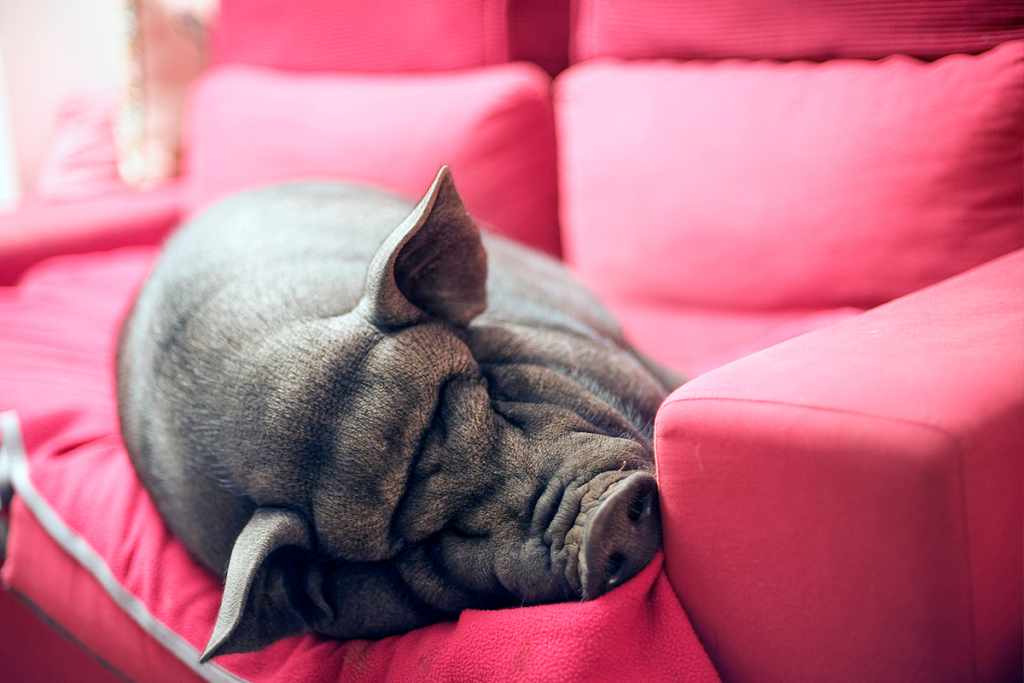
Potbellied pigs’ big personalities are complemented by their size, as they can grow to be anywhere between 12 and 20 inches tall and anywhere from 60 to 250 pounds. They come in a variety of different colors, including black, pink, white, and spotted. Potbellied pigs may not be covered in a thick fur coat, but they still require some level of grooming. Their skin is extremely sensitive, so they benefit from regular brushing to prevent a buildup of dead skin. On the one hand, during the winter months, their skin dries out quickly, so it is essential to apply moisturizer regularly. On the other hand, during the summer months, their skin burns easily in the sun, so it is essential to apply children’s sunscreen regularly. They also require occasional baths, usually around once a month. On top of caring for their skin, potbellied pigs also require their tusks and hooves to be trimmed to prevent discomfort.
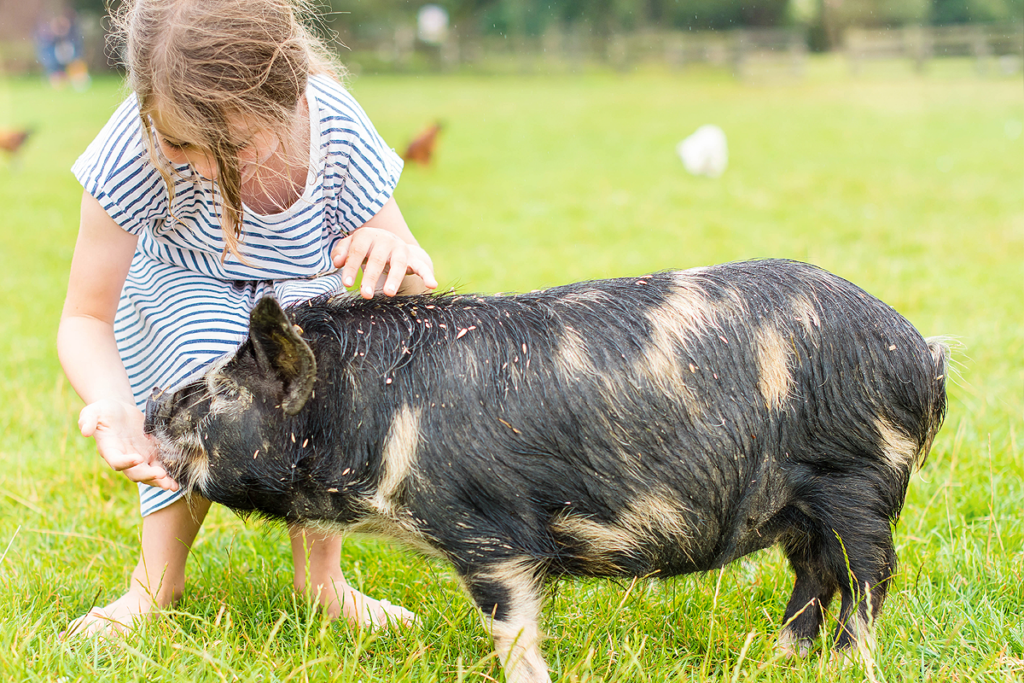
Much like dogs, potbellied pigs are very active, so they benefit from a clean and spacious environment to freely roam. They can also be very effectively trained to demonstrate certain behaviors due to their high level of intelligence. This includes potty training, either to go outside or inside a litter box. This high level of intelligence translates to a high level of enrichment required to stay happy. They are natural foragers and explorers, so it is essential to provide opportunities for potbellied pigs to engage in stimulating play. Toys such as ball pits, tubes, and puzzle feeders are great for potbellied pigs’ enrichment. Puzzle feeders, in particular, are excellent tools for stimulating a pig’s natural foraging behavior.
A healthy diet for potbellied pigs contains many variables to consider. It mainly consists of a balanced pig pellet with precise ratios of protein, energy, vitamins, and minerals. It is very important to choose pellets specifically made for potbellied pigs, as hog or swine feed is formulated for farm animals to encourage maximum growth in a minimal amount of time. A potbellied pig’s diet should also be supplemented with low-starch fruits and vegetables, namely cucumbers, peppers, zucchini, carrots, squash, lima beans, green beans, corn, and cooked sweet potatoes. Fruits, namely apples, cherries, grapes, bananas, and melons, are perfect treats for them, but they must be given in moderation due to their high sugar content.
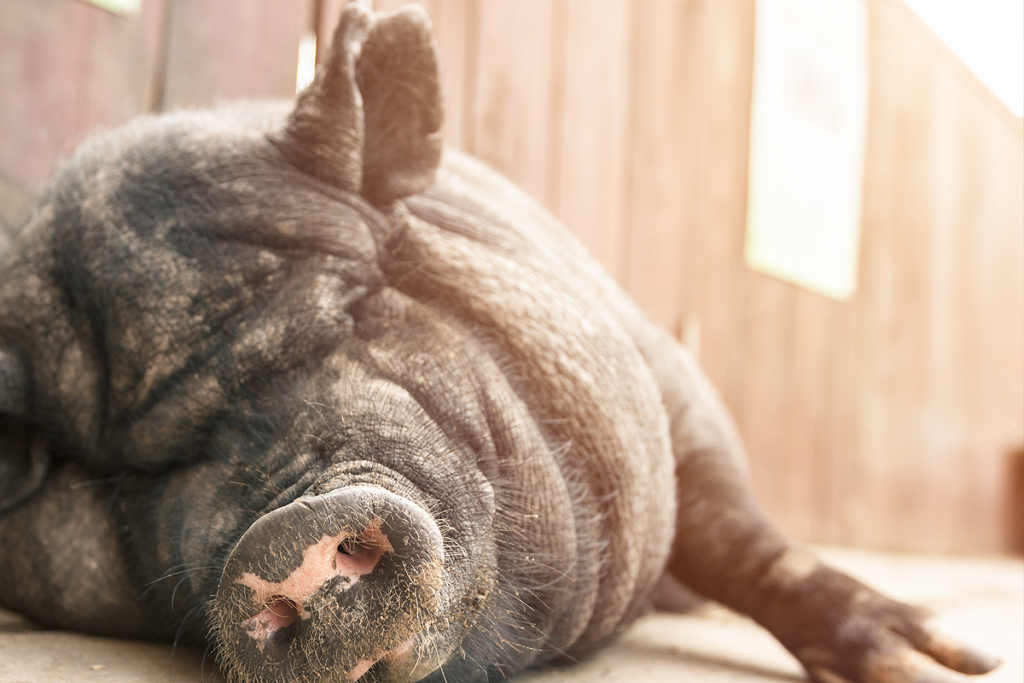
Implementing a proper diet for potbellied pigs is essential to maintaining their health, as obesity is by far the most common health concern in potbellied pigs. It can cause overgrown feet, arthritis, skin fold infections, and blindness from skin falling over the eyes. A diet consisting of too much fruit or processed and canned food can cause significant weight gain and should be avoided. Annual veterinary wellness exams are essential to keeping potbellied pigs happy and healthy. Further veterinary care that is beneficial to their health includes essential vaccinations and deworming. The neutering or spaying of young potbellied pigs can help to eliminate harmful health conditions in older age as well as unwanted aggressive behaviors.
Here at Race for Life Rescue, we have flown a total of two pigs, and they are some of the most unique, clever, and affectionate animals that we have come across. With proper care, these animals make a wonderful addition to households across the world. So next time you are looking to adopt a pet, consider the potbellied pig as a contender for your next best friend!